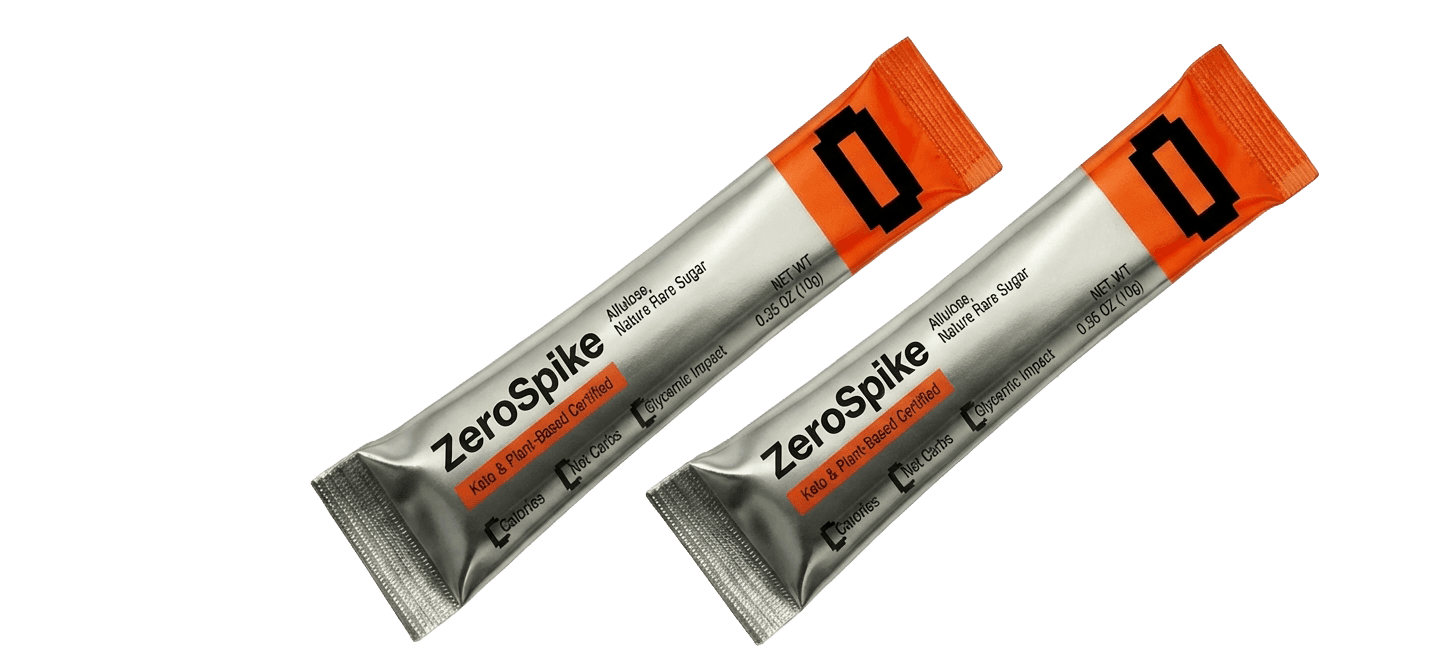

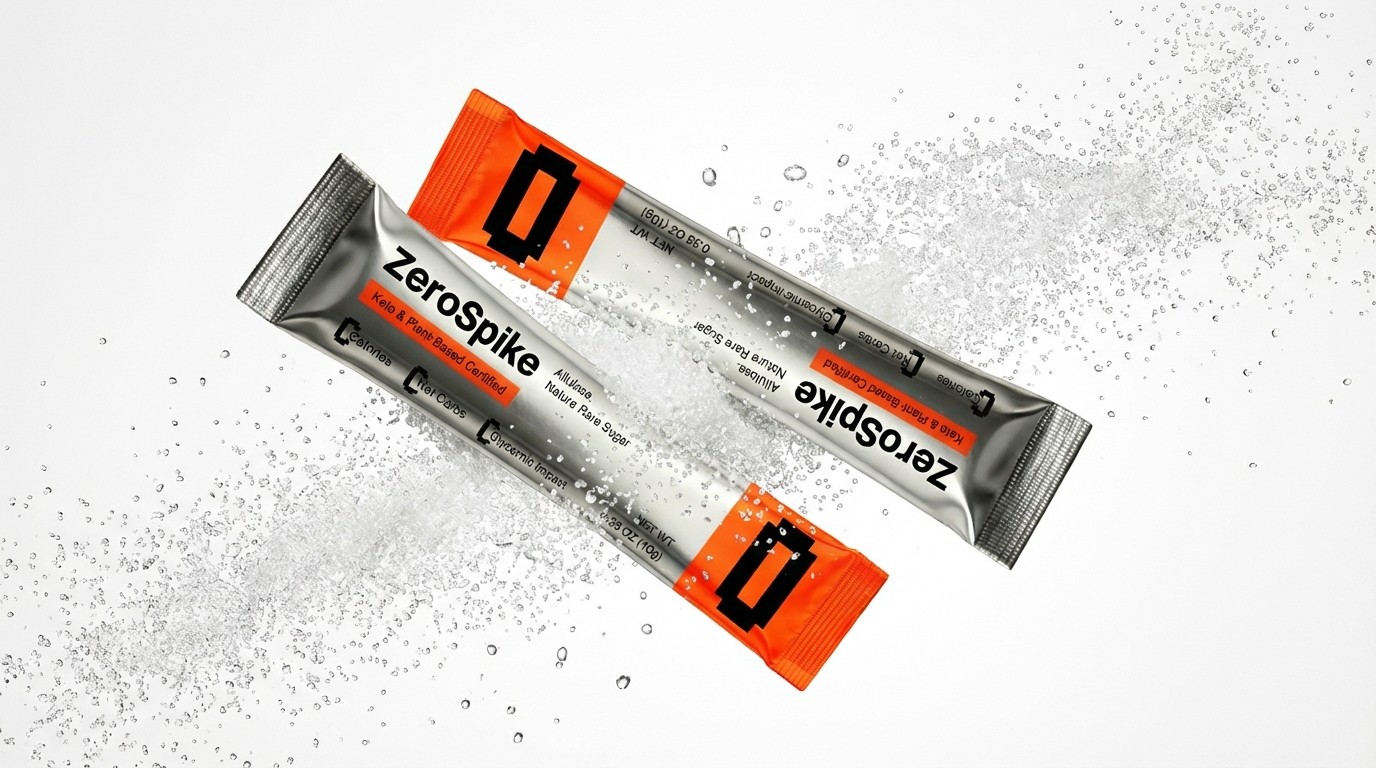
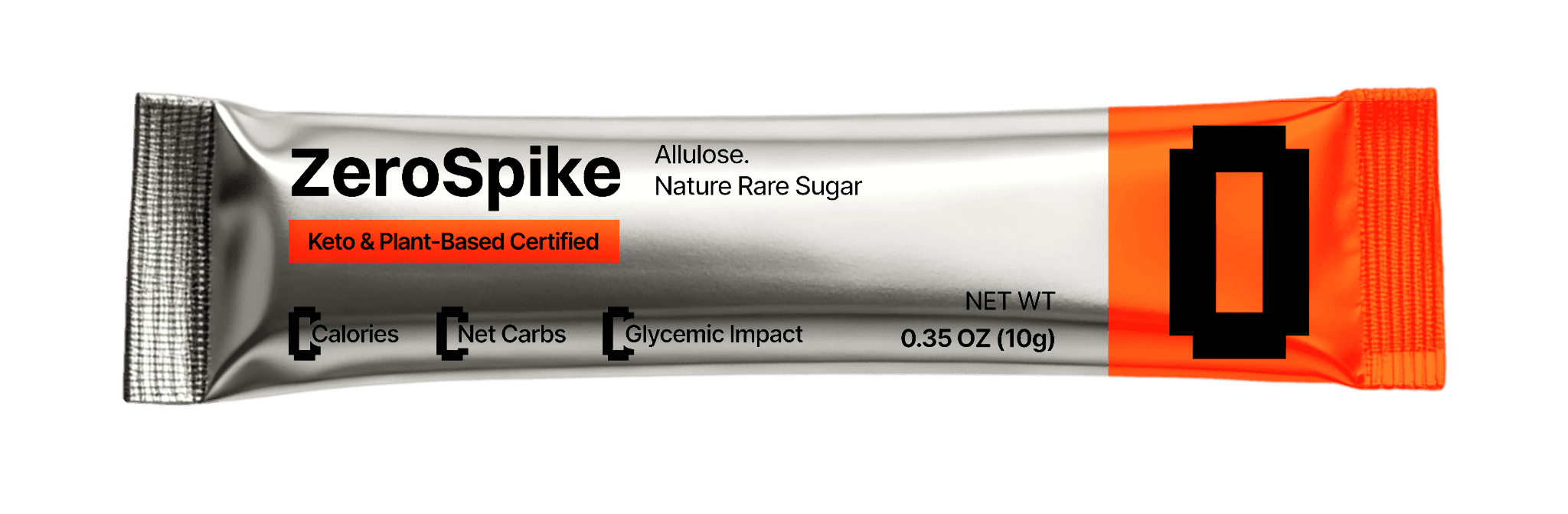
A rare sugar found naturally in figs and raisins. Your body absorbs it but can't metabolize it. Same taste. Zero glucose impact.
A rare sugar found naturally in figs and raisins. Your body absorbs it but can't metabolize it. Same taste. Zero glucose impact.
A rare sugar found naturally in figs and raisins. Your body absorbs it but can't metabolize it. Same taste. Zero glucose impact.
METABOLIC HEALTH
Backed by peer-reviewed research and trusted by professionals who optimize their health.



METABOLIC HEALTH
Backed by peer-reviewed research and trusted by professionals who optimize their health.
METABOLIC HEALTH
Backed by peer-reviewed research and trusted by professionals who optimize their health.

Allulose is a rare sugar your body recognizes but can't use for energy.
The result? You taste sweetness. Your glucose stays flat. No spike. No crash. No compromise.

The Benefits
Explore What Makes
ZeroSpike Different
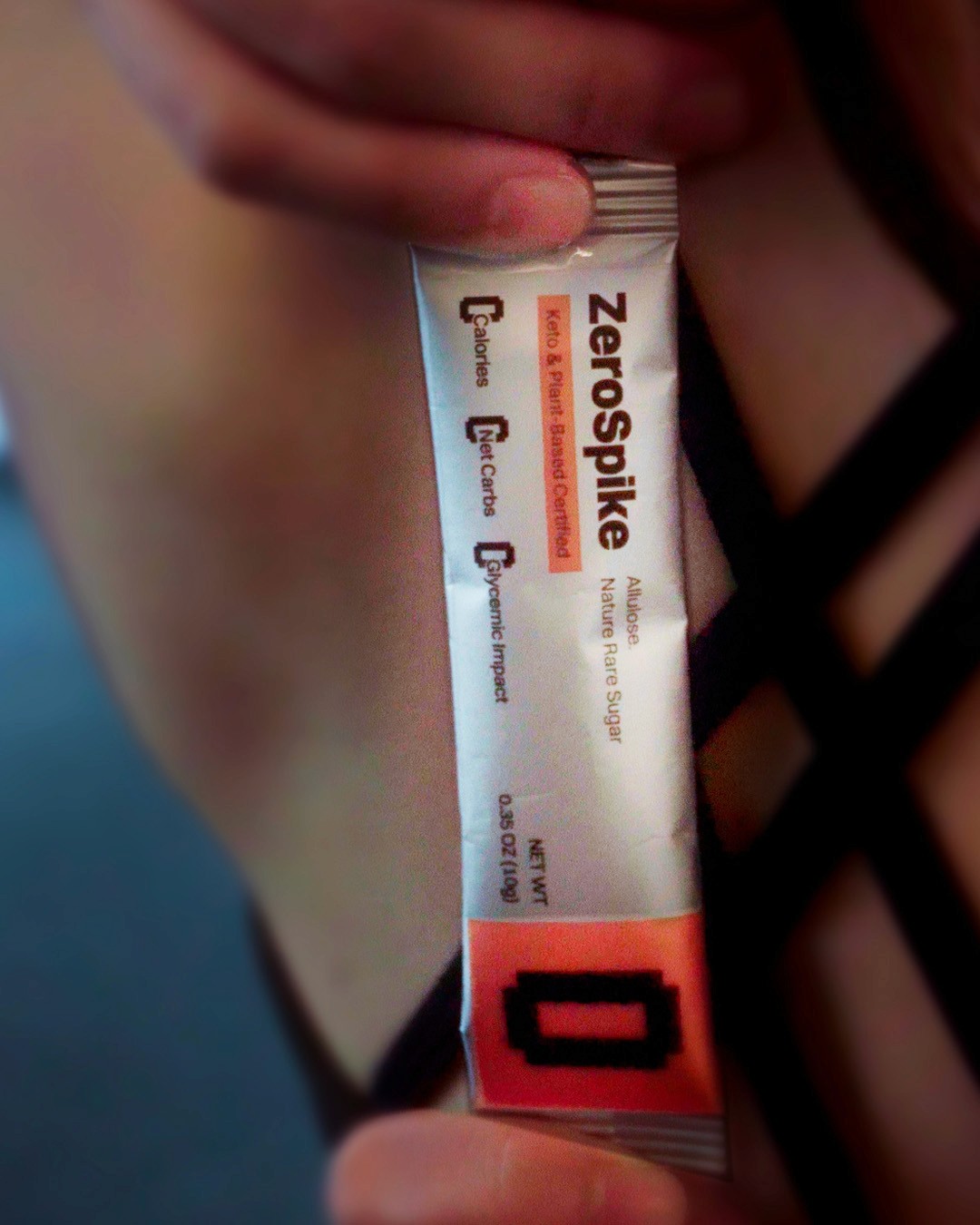
Zero Glycemic Impact
Clinical studies show allulose does not raise blood glucose or insulin levels. Your body absorbs it but lacks the enzymes to convert it to energy.
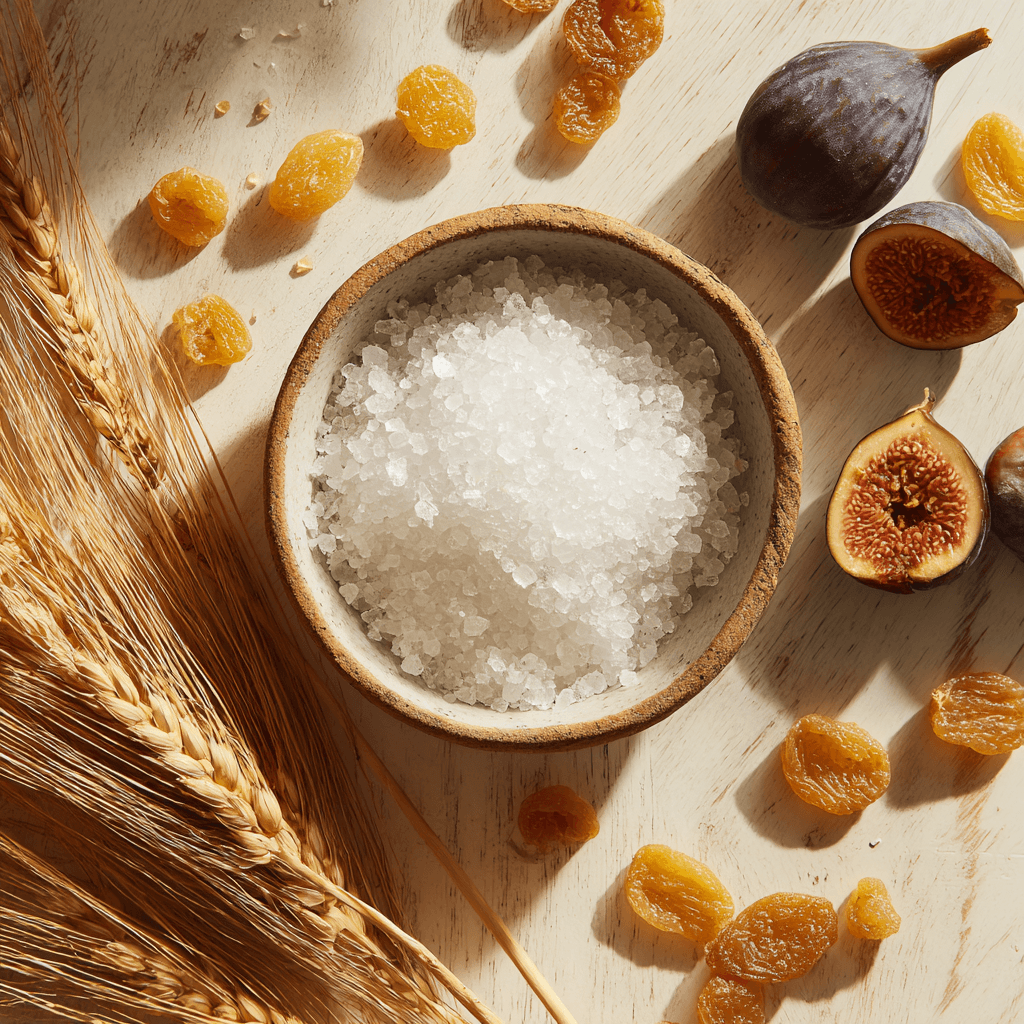
Naturally Occurring
Found in small amounts in figs, raisins, jackfruit, and wheat. Not artificial. Not synthetic. A rare sugar that exists in nature.
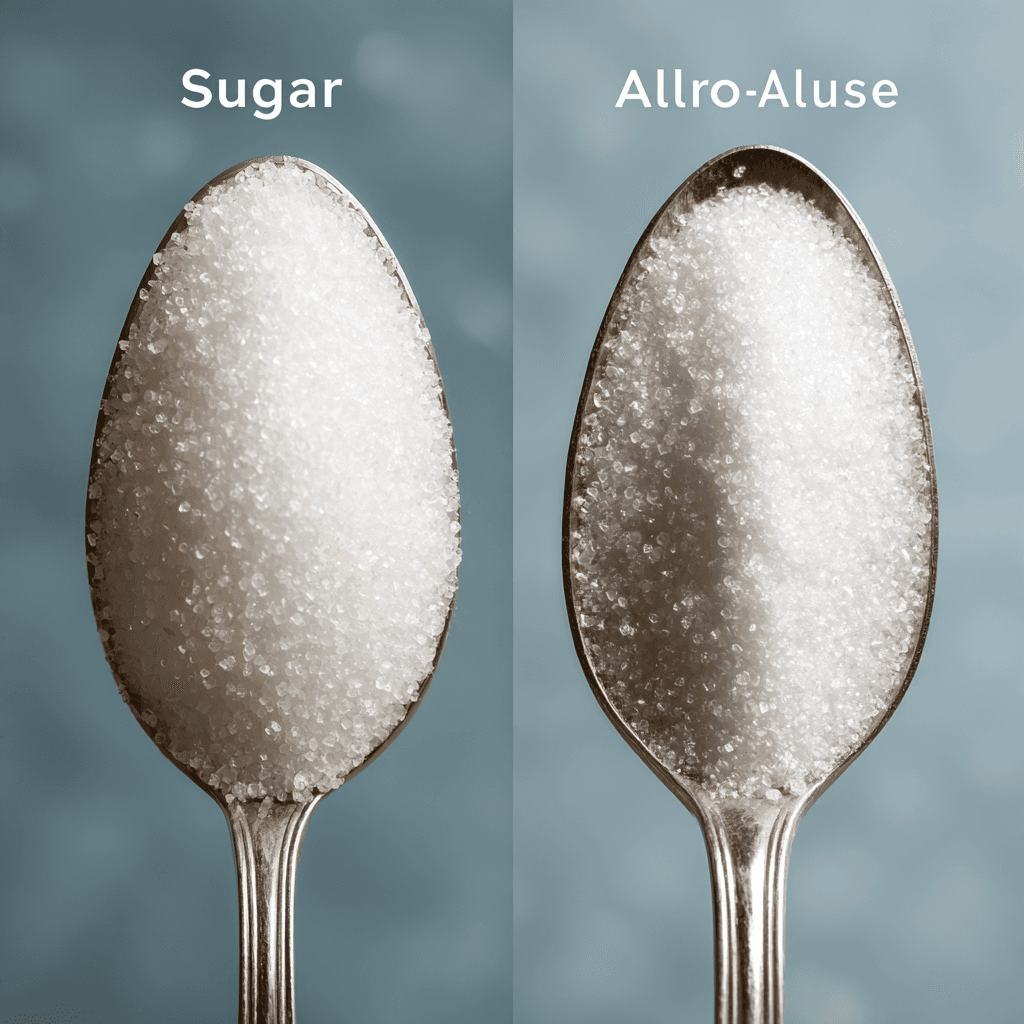

Tastes Like Sugar
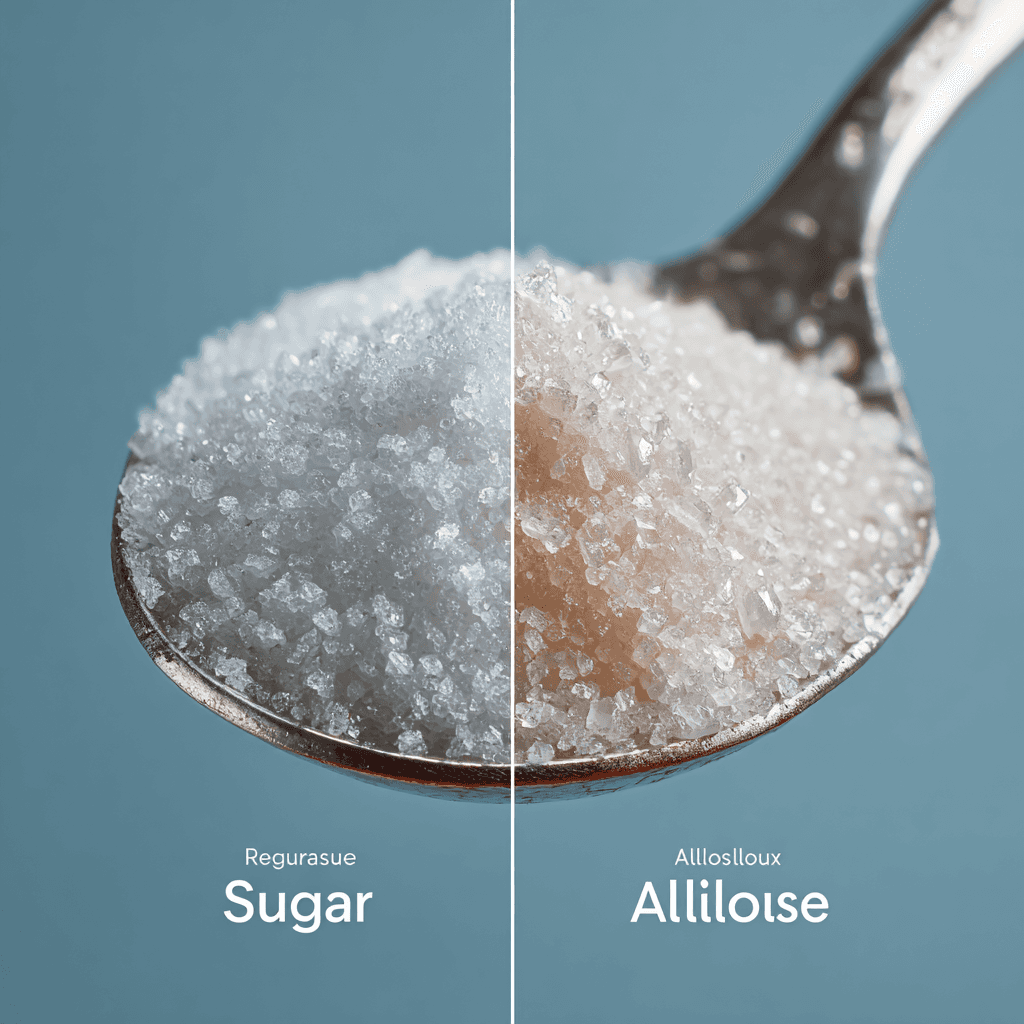
70% the sweetness of table sugar with zero bitter or metallic aftertaste. Unlike stevia or monk fruit, allulose tastes like what it is: sugar. spending habits.
Works Everywhere
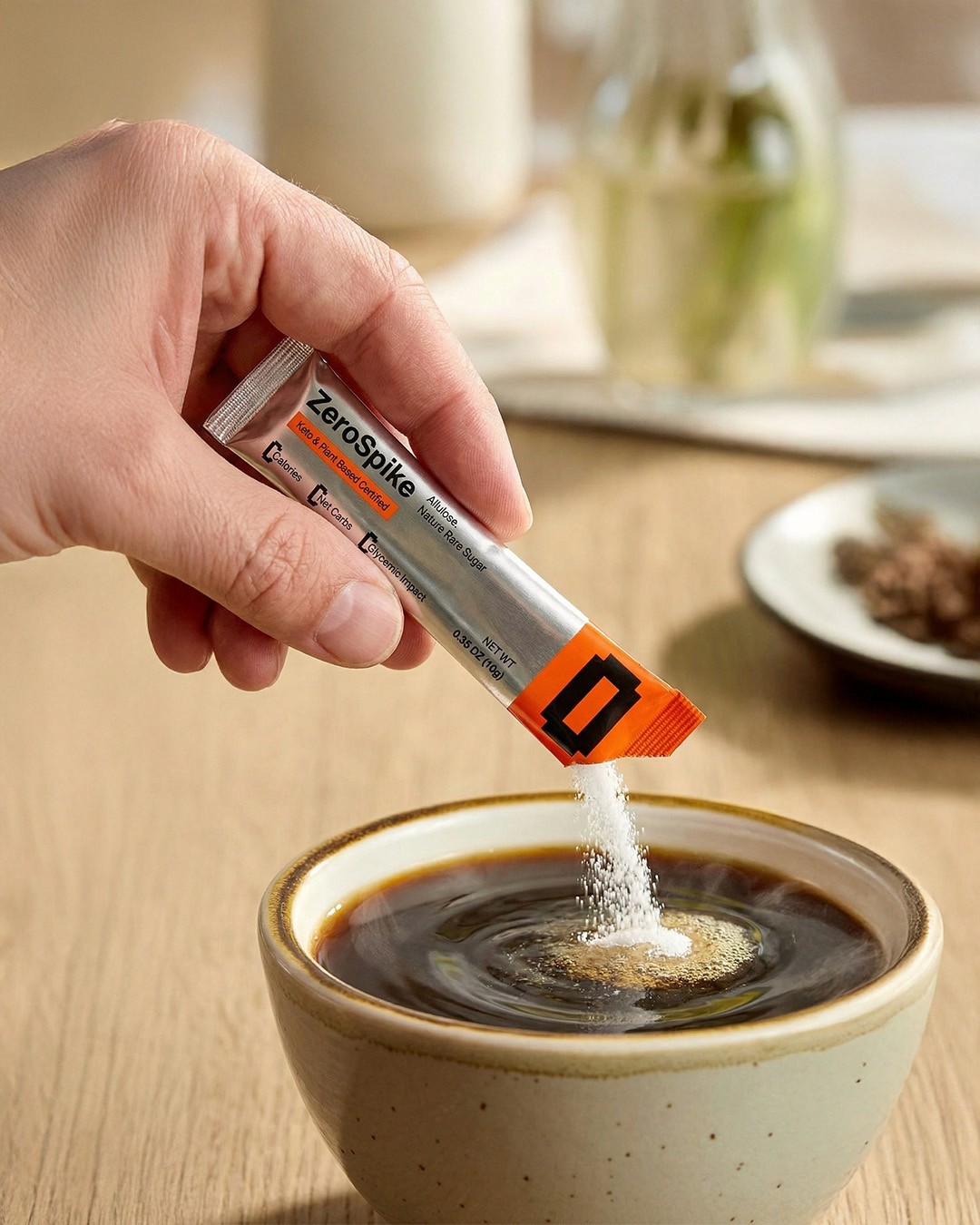
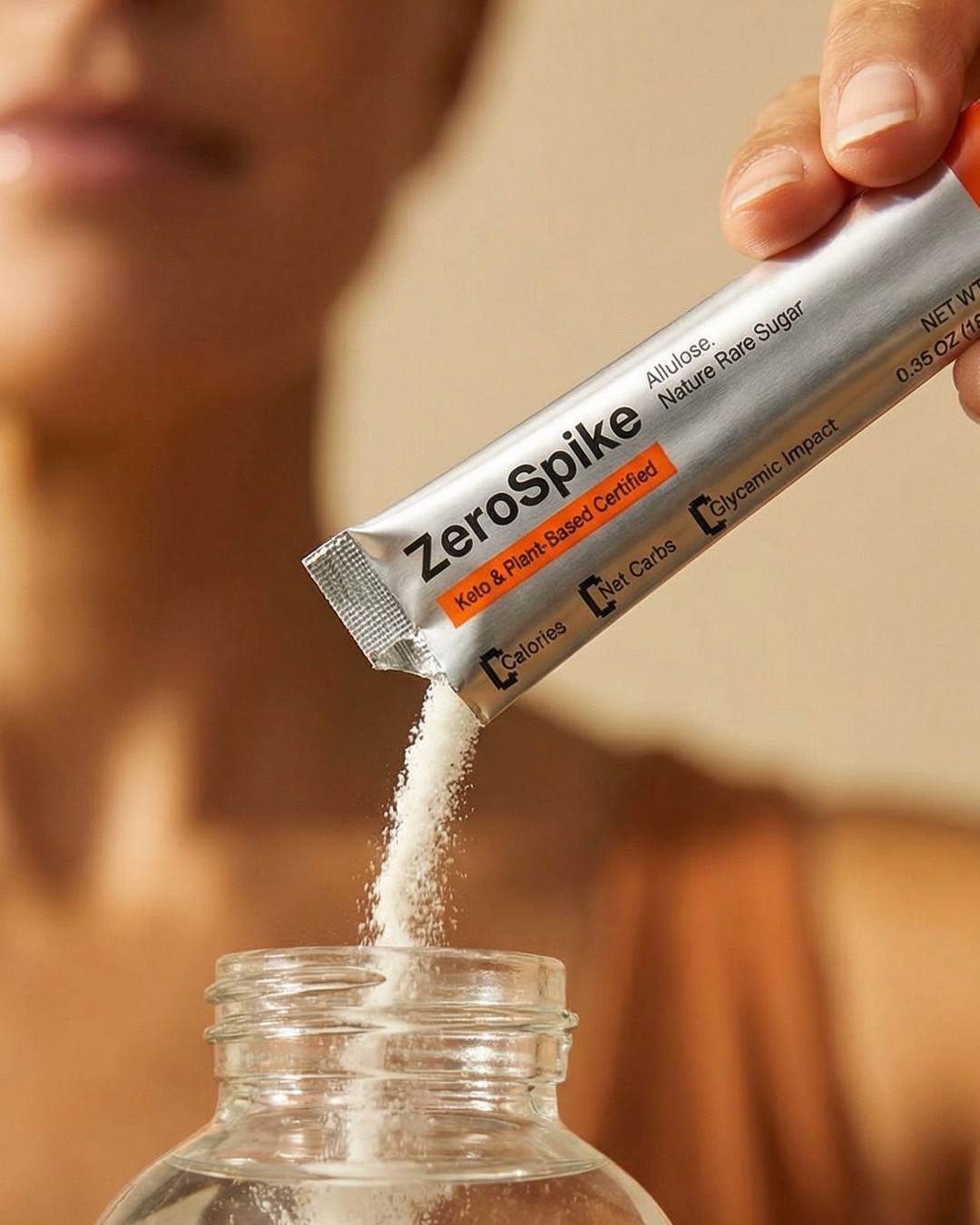
Dissolves in hot and cold. Caramelizes when heated. Works in baking, cooking, and beverages. Full functionality, zero glycemic cost.
Zero Glycemic Impact
Clinical studies show allulose does not raise blood glucose or insulin levels. Your body absorbs it but lacks the enzymes to convert it to energy.
Naturally Occurring
Found in small amounts in figs, raisins, jackfruit, and wheat. Not artificial. Not synthetic. A rare sugar that exists in nature.
Tastes Like Sugar
70% the sweetness of table sugar with zero bitter or metallic aftertaste. Unlike stevia or monk fruit, allulose tastes like what it is: sugar. spending habits.
Works Everywhere
Dissolves in hot and cold. Caramelizes when heated. Works in baking, cooking, and beverages. Full functionality, zero glycemic cost.
Zero Glycemic Impact
Clinical studies show allulose does not raise blood glucose or insulin levels. Your body absorbs it but lacks the enzymes to convert it to energy.
Naturally Occurring
Found in small amounts in figs, raisins, jackfruit, and wheat. Not artificial. Not synthetic. A rare sugar that exists in nature.
Tastes Like Sugar
70% the sweetness of table sugar with zero bitter or metallic aftertaste. Unlike stevia or monk fruit, allulose tastes like what it is: sugar. spending habits.
Works Everywhere
Dissolves in hot and cold. Caramelizes when heated. Works in baking, cooking, and beverages. Full functionality, zero glycemic cost.
...and more reasons to switch
...and more reasons to switch
FDA GRAS Status
Generally Recognized as Safe by U.S. FDA
Minimal Calories
Only 0.2-0.4 cal/g vs 4 cal/g for sugar
No Aftertaste
Clean finish unlike artificial sweeteners
Keto Compatible
Zero net carbs, fits ketogenic protocols
Gut Friendly
Well-tolerated in moderate amounts
ZERO
SPIKE
Benefit
Experience The
Science of Sweet

Stable Energy
No more 3pm crash. Steady fuel all day.
When you consume regular sugar, blood glucose spikes then crashes. This cycle drains cognitive performance. Allulose provides sweetness without triggering the glucose-insulin rollercoaster.
Stable blood glucose levels
Consistent mental clarity
Stable Energy
No more 3pm crash. Steady fuel all day.
When you consume regular sugar, blood glucose spikes then crashes. This cycle drains cognitive performance. Allulose provides sweetness without triggering the glucose-insulin rollercoaster.
Stable blood glucose levels
Consistent mental clarity
Stable Energy
No more 3pm crash. Steady fuel all day.
When you consume regular sugar, blood glucose spikes then crashes. This cycle drains cognitive performance. Allulose provides sweetness without triggering the glucose-insulin rollercoaster.
Stable blood glucose levels
Consistent mental clarity

Metabolic Protection
Prevention is easier than reversal.
Repeated glucose spikes contribute to insulin resistance over decades. By the time most people notice, the damage has been accumulating. Allulose lets you enjoy sweetness while protecting your metabolic future.
Supports healthy glucose metabolism
No insulin spike response
Metabolic Protection
Prevention is easier than reversal.
Repeated glucose spikes contribute to insulin resistance over decades. By the time most people notice, the damage has been accumulating. Allulose lets you enjoy sweetness while protecting your metabolic future.
Supports healthy glucose metabolism
No insulin spike response
Metabolic Protection
Prevention is easier than reversal.
Repeated glucose spikes contribute to insulin resistance over decades. By the time most people notice, the damage has been accumulating. Allulose lets you enjoy sweetness while protecting your metabolic future.
Supports healthy glucose metabolism
No insulin spike response

Science-Backed Safety
Researched since the 1990s. Proven safe.
Allulose has GRAS status from the FDA. It's been used commercially in Japan since 2010. Peer-reviewed research consistently shows no adverse effects at normal consumption levels.
FDA GRAS approved
Decades of research
Science-Backed Safety
Researched since the 1990s. Proven safe.
Allulose has GRAS status from the FDA. It's been used commercially in Japan since 2010. Peer-reviewed research consistently shows no adverse effects at normal consumption levels.
FDA GRAS approved
Decades of research
Science-Backed Safety
Researched since the 1990s. Proven safe.
Allulose has GRAS status from the FDA. It's been used commercially in Japan since 2010. Peer-reviewed research consistently shows no adverse effects at normal consumption levels.
FDA GRAS approved
Decades of research
Statistics
See The
Difference
0
0
Glycemic Index
0%
0%
Purity Level
0%
0%
Sweetness vs Sugar
0
0
Glycemic Index
0%
0%
Purity Level
0%
0%
Sweetness vs Sugar
0
0
Glycemic Index
0%
0%
Purity Level
0%
0%
Sweetness vs Sugar
How It Works
How Allulose Works
In Your Body
1
Absorption
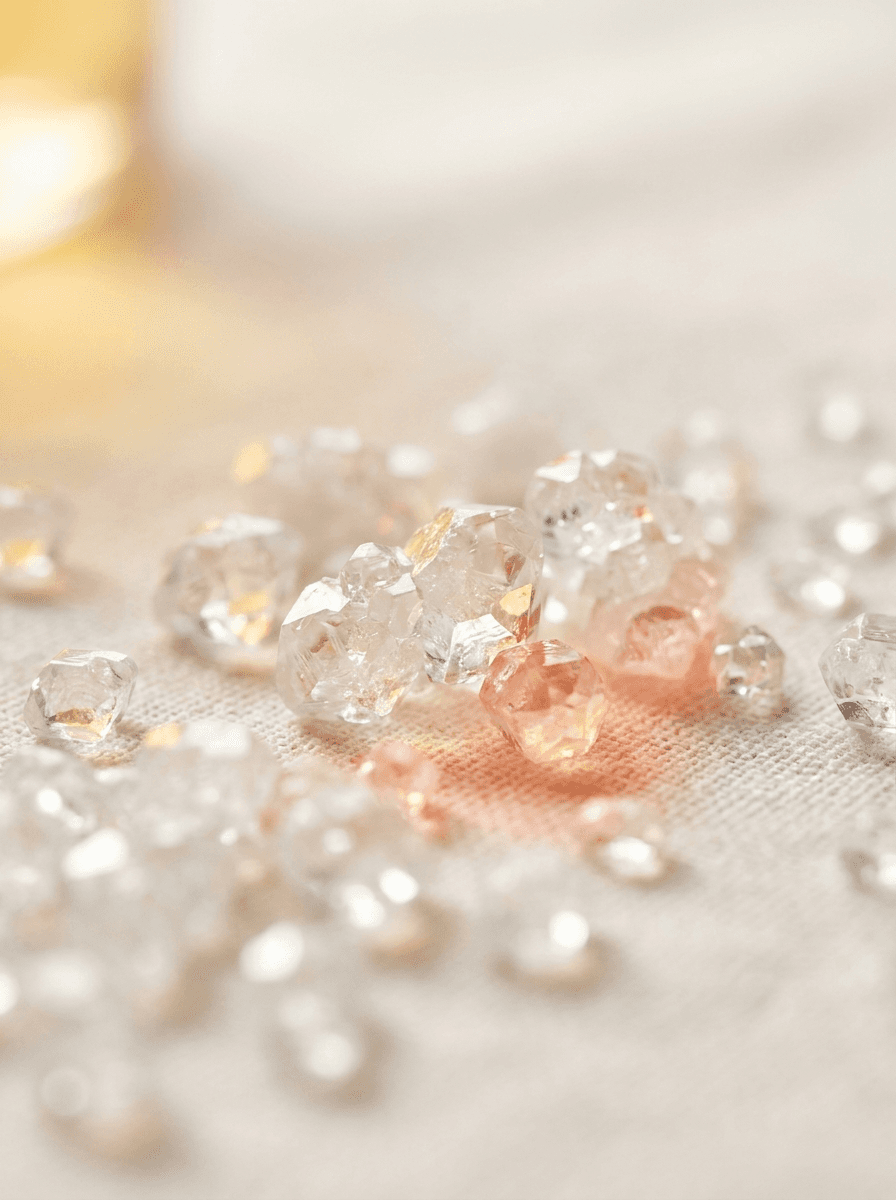
Allulose is absorbed in your small intestine, just like regular sugars. Your body recognizes it as a sugar molecule. So far, identical to glucose.
1
Absorption
Allulose is absorbed in your small intestine, just like regular sugars. Your body recognizes it as a sugar molecule. So far, identical to glucose.
2
Non-Metabolism
Here's where the path diverges. Your body lacks the specific enzymes to convert allulose into energy. It simply doesn't get processed.
2
Non-Metabolism
Here's where the path diverges. Your body lacks the specific enzymes to convert allulose into energy. It simply doesn't get processed.
2
Non-Metabolism
Here's where the path diverges. Your body lacks the specific enzymes to convert allulose into energy. It simply doesn't get processed.


3
Excretion
70-84% of ingested allulose exits through urine within 24 hours. The remainder passes through your digestive system. All unchanged.
3
Excretion
70-84% of ingested allulose exits through urine within 24 hours. The remainder passes through your digestive system. All unchanged.
3
Excretion
70-84% of ingested allulose exits through urine within 24 hours. The remainder passes through your digestive system. All unchanged.


4
Zero Response
Because it's not metabolized, allulose doesn't trigger the glucose-insulin cycle. Your blood sugar stays flat. Stable energy. Clear thinking.
4
Zero Response
Because it's not metabolized, allulose doesn't trigger the glucose-insulin cycle. Your blood sugar stays flat. Stable energy. Clear thinking.
4
Zero Response
Because it's not metabolized, allulose doesn't trigger the glucose-insulin cycle. Your blood sugar stays flat. Stable energy. Clear thinking.
4
Zero Response
Because it's not metabolized, allulose doesn't trigger the glucose-insulin cycle. Your blood sugar stays flat. Stable energy. Clear thinking.
FAQ
Frequently Asked Questions
What is allulose?
Allulose is a "rare sugar" found naturally in small quantities in foods like figs, raisins, and maple syrup. Chemically, it is almost identical to fructose (fruit sugar), but its atomic structure is arranged slightly differently. This tiny difference completely changes how the human body processes it.
Is allulose natural or artificial?
Allulose is considered a naturally occurring rare sugar. It’s often produced from natural sources such as corn or sugar beets using an enzymatic process.
How does allulose taste compared to sugar?
Allulose has about 70% of the sweetness of regular sugar, with a clean, natural taste and no bitter aftertaste—unlike many artificial sweeteners.
How many calories does allulose have?
Allulose provides only 0.2–0.4 calories per gram, which is about 90% fewer calories than sugar.
Is allulose safe?
Yes. Allulose is recognized as safe by the U.S. Food and Drug Administration (FDA) and approved for use in many countries. Studies show it’s well tolerated when consumed in normal amounts.
6. Is Allulose safe for everyone?
Allulose is "GRAS" (Generally Recognized As Safe) by the FDA. It is an excellent choice for those managing diabetes, following a ketogenic lifestyle, or anyone focused on preventive health. If you are making significant dietary changes to manage a specific medical condition, it is always wise to consult with your healthcare provider.
What is allulose?
Allulose is a "rare sugar" found naturally in small quantities in foods like figs, raisins, and maple syrup. Chemically, it is almost identical to fructose (fruit sugar), but its atomic structure is arranged slightly differently. This tiny difference completely changes how the human body processes it.
Is allulose natural or artificial?
Allulose is considered a naturally occurring rare sugar. It’s often produced from natural sources such as corn or sugar beets using an enzymatic process.
How does allulose taste compared to sugar?
Allulose has about 70% of the sweetness of regular sugar, with a clean, natural taste and no bitter aftertaste—unlike many artificial sweeteners.
How many calories does allulose have?
Allulose provides only 0.2–0.4 calories per gram, which is about 90% fewer calories than sugar.
How do I sign up for the app?
Yes. Allulose is recognized as safe by the U.S. Food and Drug Administration (FDA) and approved for use in many countries. Studies show it’s well tolerated when consumed in normal amounts.
6. Is Allulose safe for everyone?
Allulose is "GRAS" (Generally Recognized As Safe) by the FDA. It is an excellent choice for those managing diabetes, following a ketogenic lifestyle, or anyone focused on preventive health. If you are making significant dietary changes to manage a specific medical condition, it is always wise to consult with your healthcare provider.
Your daily rare sugar
Your body recognizes but can't use for energy.
We're so confident you'll love the clean, delicious taste of ZeroSpike
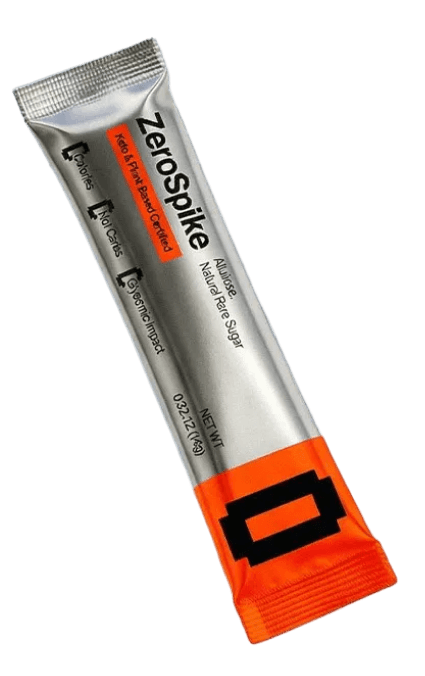
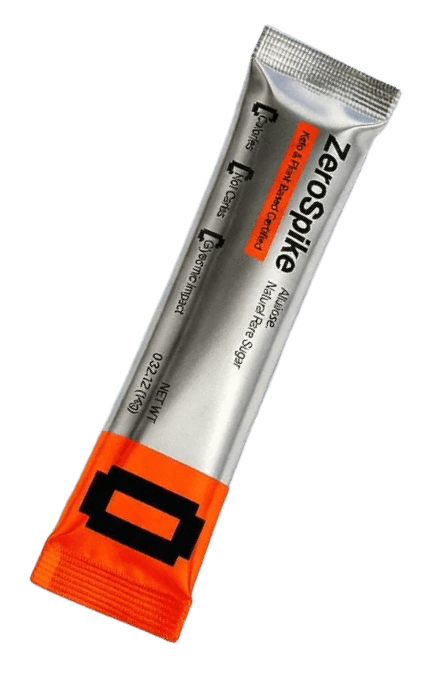
Your daily rare sugar
Your body recognizes but can't use for energy.
We're so confident you'll love the clean, delicious taste of ZeroSpike
Your daily rare sugar
Your body recognizes but can't use for energy.
We're so confident you'll love the clean, delicious taste of ZeroSpike